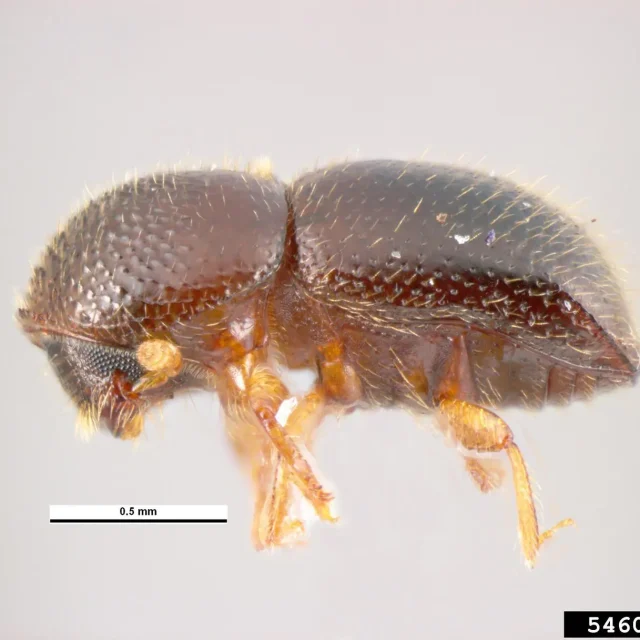
A tiny beetle with a big impact
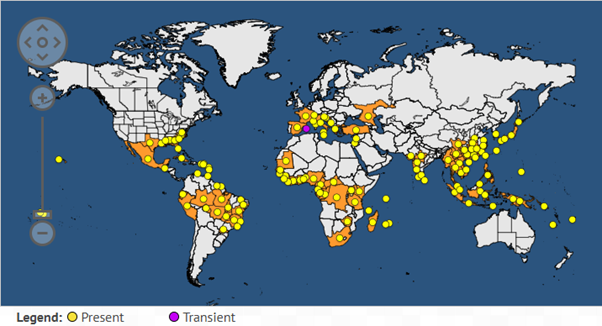
Figure 2 shows the countries with confirmed presence and transient cases. EPPO Global Database (MYCOFI, updated April 2024). Available at
the following link
Crops and plants affected
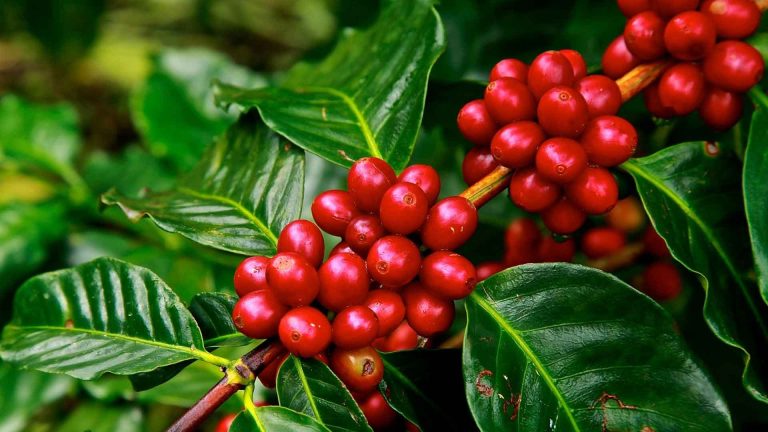
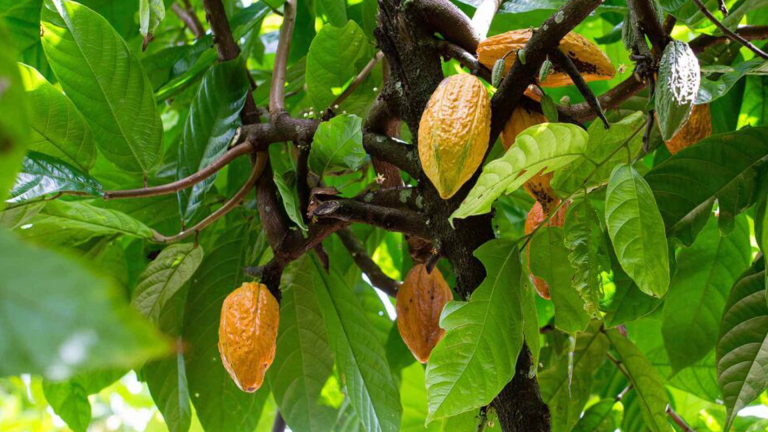
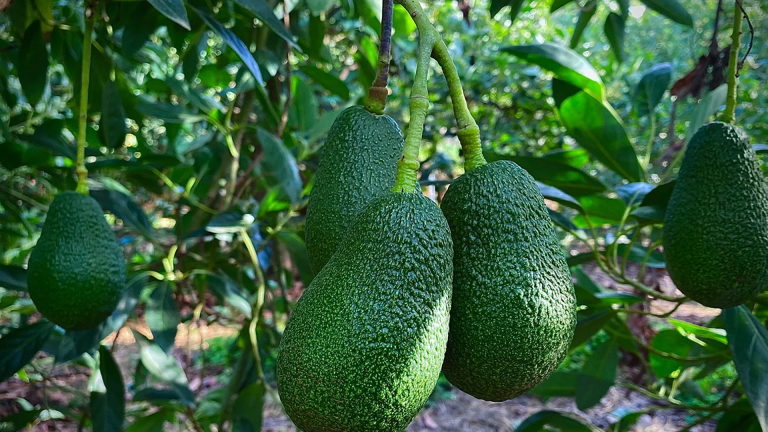
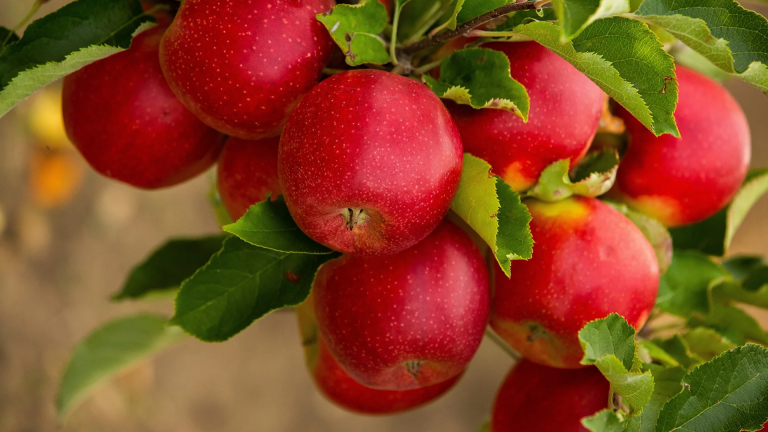
Main agricultural crops:
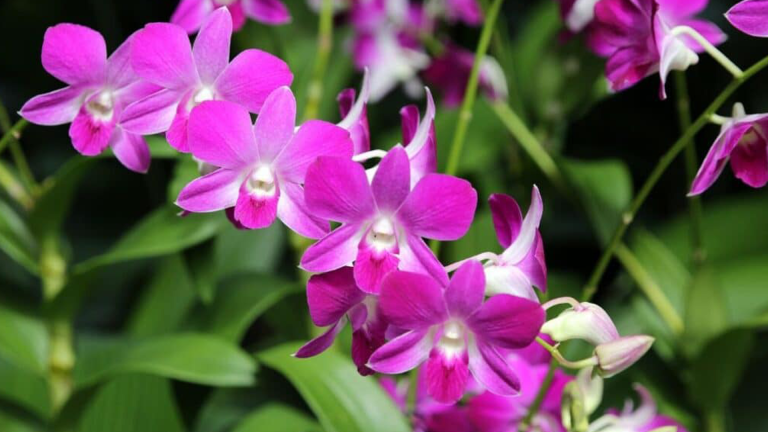
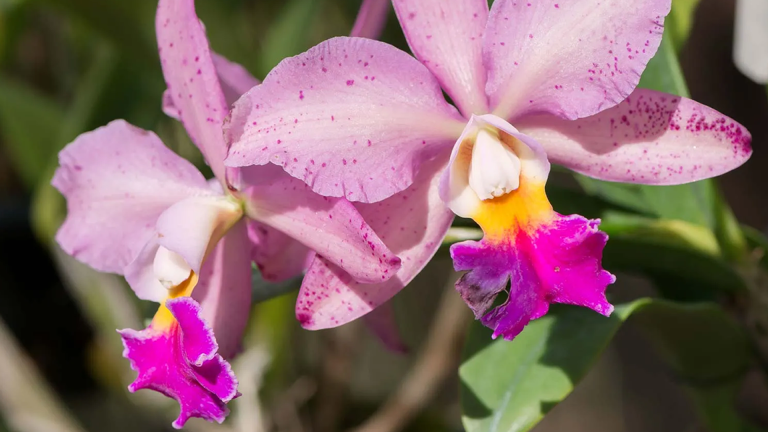
Ornamental orchids
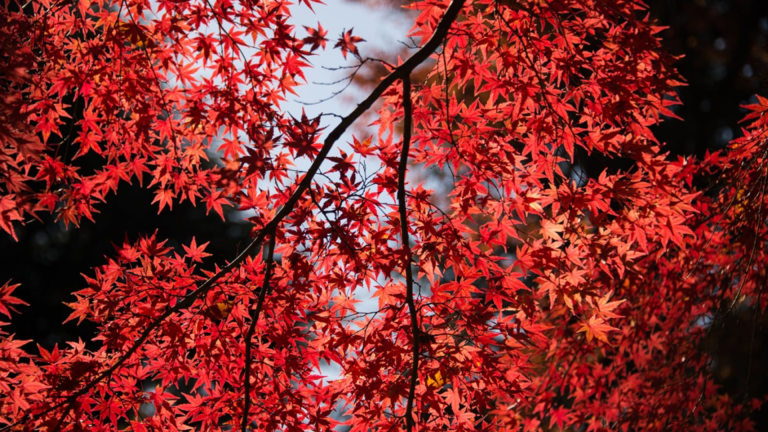
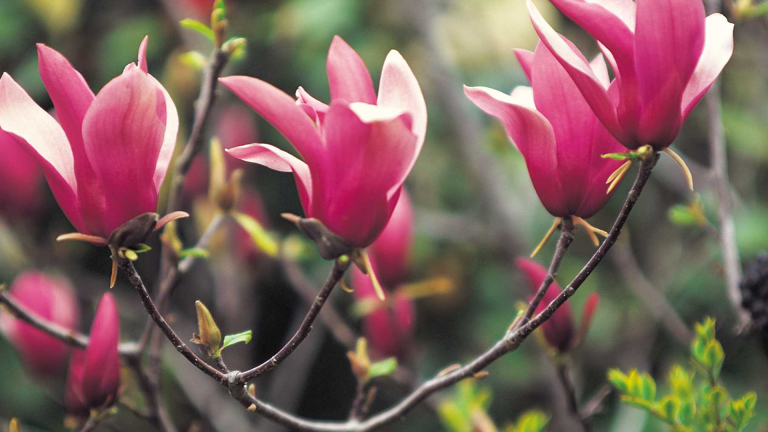
Various species of ornamental and forest trees:
It also affects many other species such as Macadamia, Mango, among others.
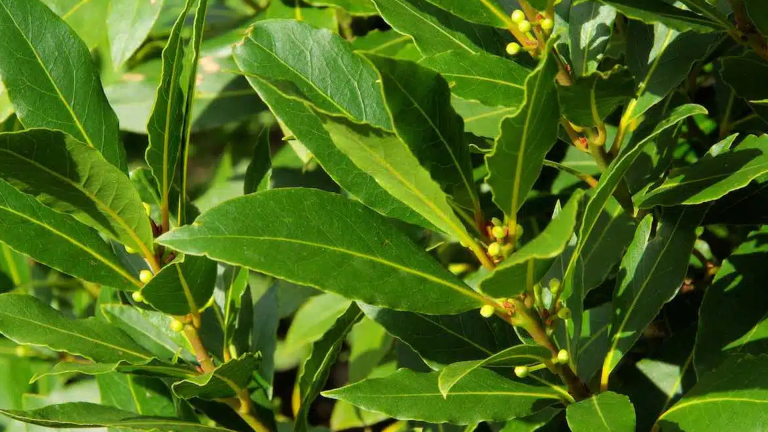
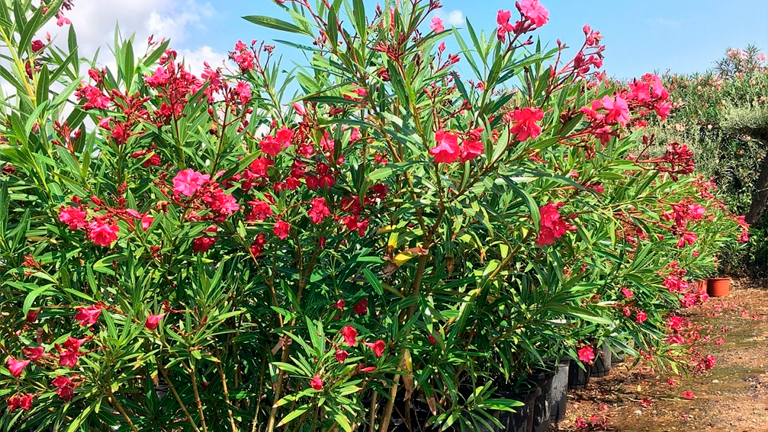
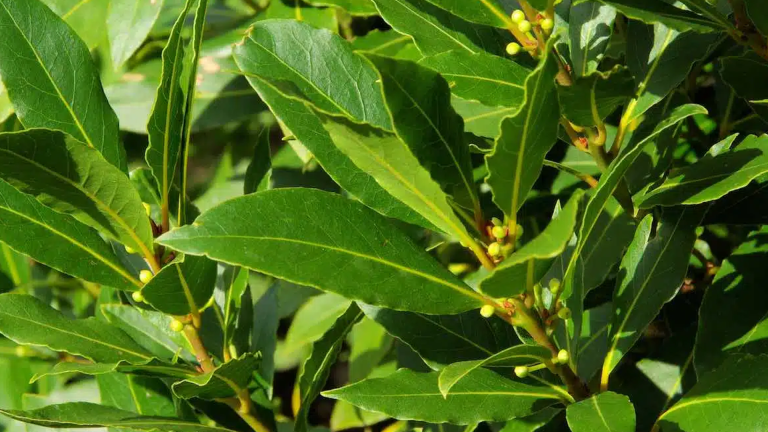
Mediterranean plants in Europe:
The ambrosia beetle's secret partner: an indispensable fungus
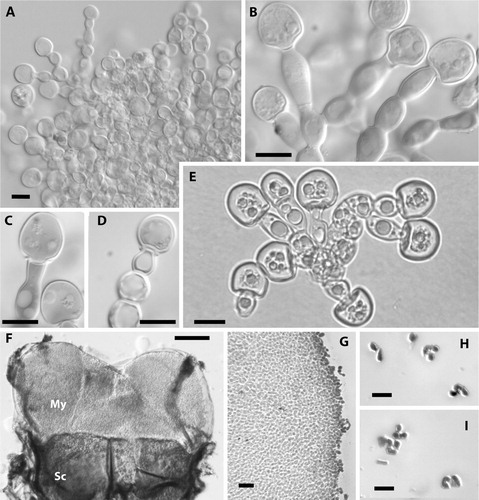
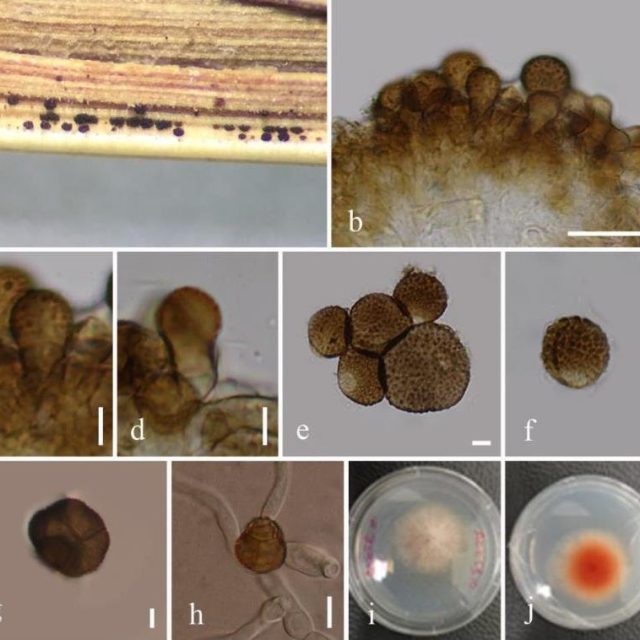
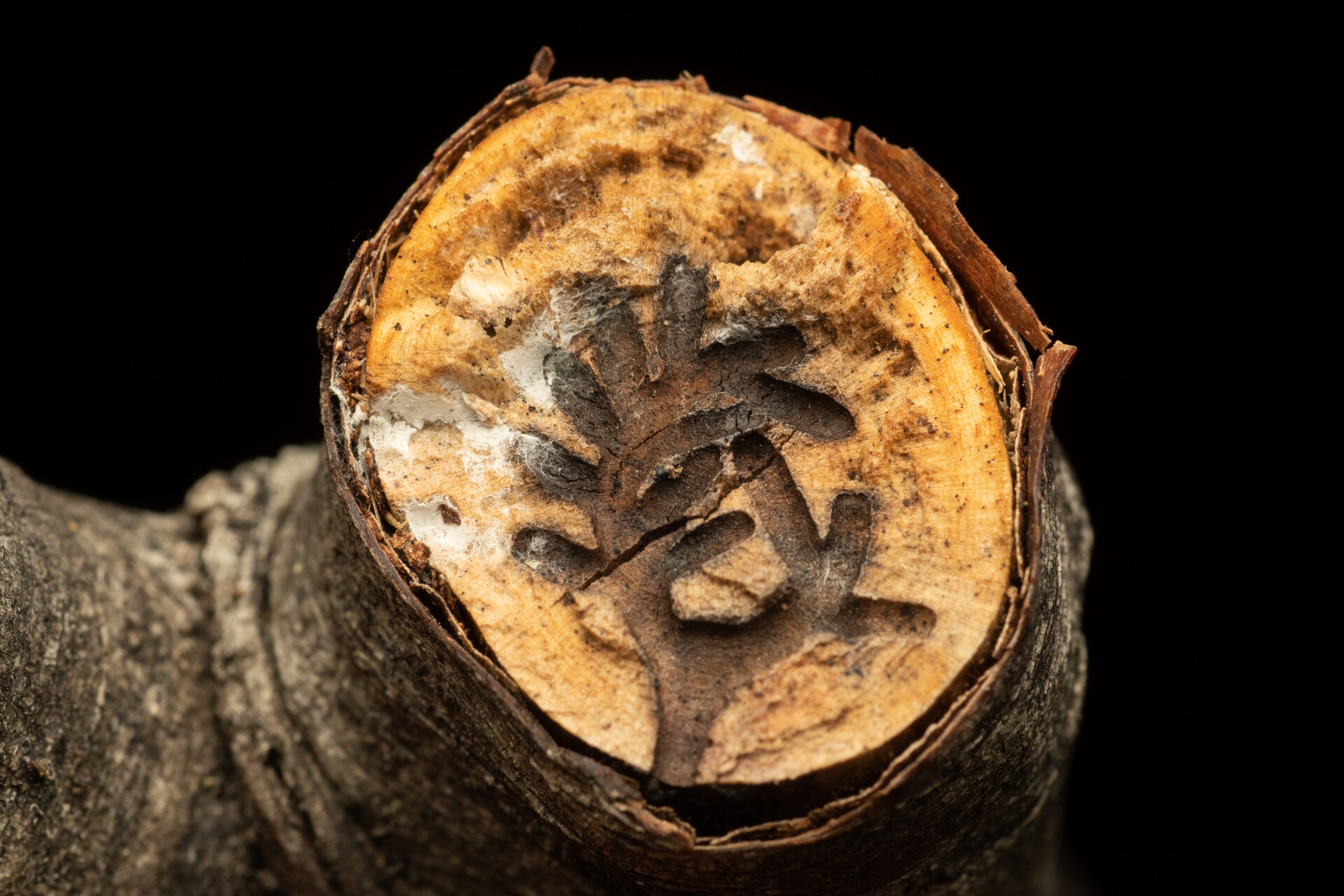
The success of X. compactus is not solely due to the beetle itself, but to its alliance with a symbiotic fungus , Ambrosiella xylebori . Female beetles carry spores of this fungus in special structures on their bodies. When they bore into wood and create a gallery, they seed the fungus on the tunnel walls . Ambrosiella xylebori grows within the wood, feeding on the plant tissue and lining the galleries with its mycelium and spores. The beetle larvae They don’t feed directly on the wood , but rather consume the cultivated fungus, obtaining their nutrients from it. In other words, X. compactus is a “farming beetle”: it cultivates its own fungal food inside the tree. This mutualistic relationship is so close that the beetle’s development and reproduction depend entirely on the fungus ; without it, the larvae cannot thrive and the insect’s life cycle is interrupted.
Nevertheless, X. compactus not only is it associated with Ambrosiella xyleboribut also with other species of saprotrophic fungi (Ambrosiella macrosposa) and pathogens (Fusarium solani, Epicoccum nigrum), which can influence the symptoms observed in infested plants.
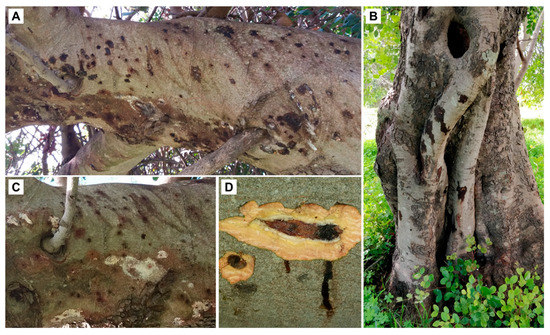
Furthermore, in many cases the Ambrosiella fungus can also act as a pathogen of the tree, amplifying the damage: it causes necrosis in the tissues (dark lesions in the wood) and contributes to the wilting of the host. Therefore, this insect-fungus pairing is doubly harmful: the beetle bores into and spreads the fungus, and the fungus weakens or kills the infested plant.
Seeking a biological solution: attacking the fungus
Traditionally, pest control strategies focus on attacking the insect (e.g., with insecticides). However, in the case of ambrosia beetles like X. compactus , conventional methods often fail due to their cryptic lifestyle within wood and their rapid dispersal. This is where an innovative idea comes in: what if, instead of directly attacking the beetle, we attack its food fungus? If we manage to suppress or eliminate Ambrosiella xylebori , we would be cutting off the food supply for X. compactus , preventing it from raising new generations. This indirect biological control approach seeks to exploit the beetle’s Achilles’ heel: its vital need for a mutualistic fungus.
A promising candidate for this task is another fungus, Trichoderma asperellum , specifically the T34 strain . Trichoderma fungi are benign fungi widely known in agriculture for their ability to antagonize other fungi (they are “mycoparasitic” ), compete for space and nutrients, and even stimulate plant defenses. The T. asperellum T34 strain, in particular, is used commercially as a biofungicide in crops due to its effectiveness in controlling soilborne pathogens. The researchers hypothesized that T34 could colonize the same habitat as Ambrosiella (the plant’s wood or rhizosphere) and displace or inhibit it , thus disrupting the insect-fungus mutuality. In short: using a beneficial fungus to defeat a harmful fungus and, in doing so, defeat the pest beetle naturally.
Surprising results: Trichoderma vs. Ambrosiella
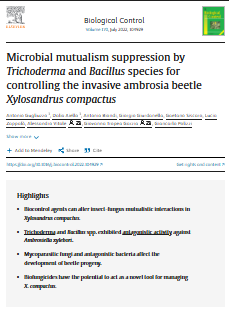
Researchers at the University of Catania (Italy) conducted laboratory studies to test this strategy. In 2022, Gugliuzzo et al. evaluated different biocontrol agents, including the T34 strain of T. asperellum , against X. compactus and its fungal infection. The trials included in vitro tests (culture plates pitting the beneficial fungus against A. xylebori ) and in vivo tests (twigs infested with beetles, treated with the biofungicides). The results were very encouraging: T. asperellum T34 significantly inhibited the growth of the Ambrosiella fungus , both on plates and within the wood. In Petri dishes, T34 inhibited approximately 80% of A. xylebori mycelial growth due to its rapid overgrowth and competitiveness. But the most important finding occurred on the infested twigs: the galleries treated with T34 showed almost no fungal growth , and consequently, many female X. compactus failed to raise any larvae in those galleries. Trichoderma was observed colonizing the interior of the tunnels or their immediate surroundings, leaving Ambrosiella without space or nutrients.
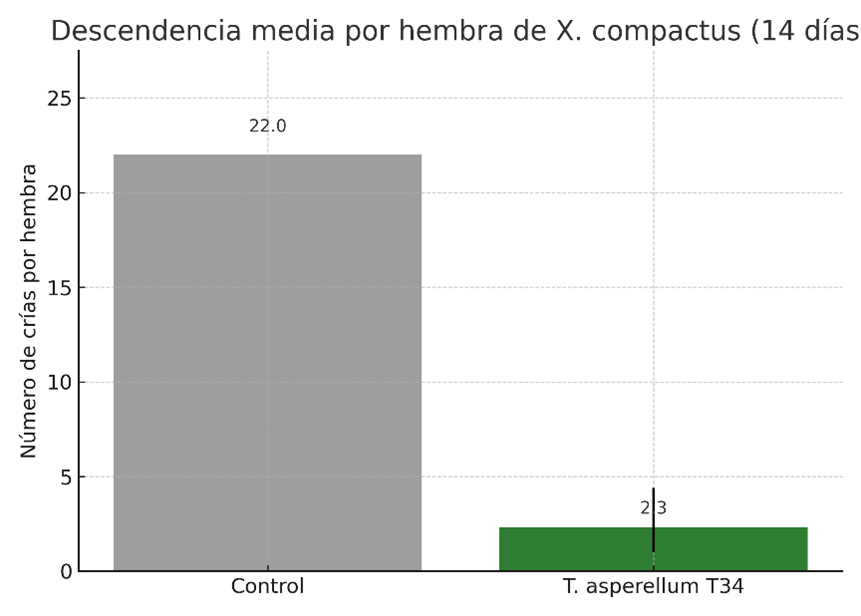
In the laboratory, female X. compactus beetles produced an average of more than 20 offspring each on untreated branches (gray bar, control). In contrast, when branches were treated with T. asperellum T34 , the beetle’s offspring were drastically reduced to only 1–4 offspring per female (green bar). This experiment demonstrates that, by inhibiting the growth of the mutualistic fungus , the T34 treatment deprives X. compactus larvae of their food source, causing a collapse in their reproduction. In many cases, galleries treated directly with T34 contained no viable larvae , only the mother and perhaps some undeveloped eggs. The difference is striking: without the nourishing fungus, the beetle is virtually unable to raise its offspring .
Trichoderma was not the only organism evaluated. The 2022 study also tested a couple of beneficial bacterial strains ( Bacillus ) , which likewise showed potential in suppressing Ambrosiella . In fact, Bacillus amyloliquefaciens D747 managed to reduce the presence of the fungus in the galleries and decrease brood production by approximately 82% at high doses. However, the T. asperellum T34 strain stood out as one of the most consistent agents: with proper application, it achieved up to a 95% reduction in the number of beetle offspring . In other words, where a beetle would normally produce around 20 offspring, with T34 it produced barely 1. This level of efficacy in vitro and in vivo was a powerful proof of concept that disrupting the fungus-insect relationship is viable.
From the lab to the field: a future of integrated biological control
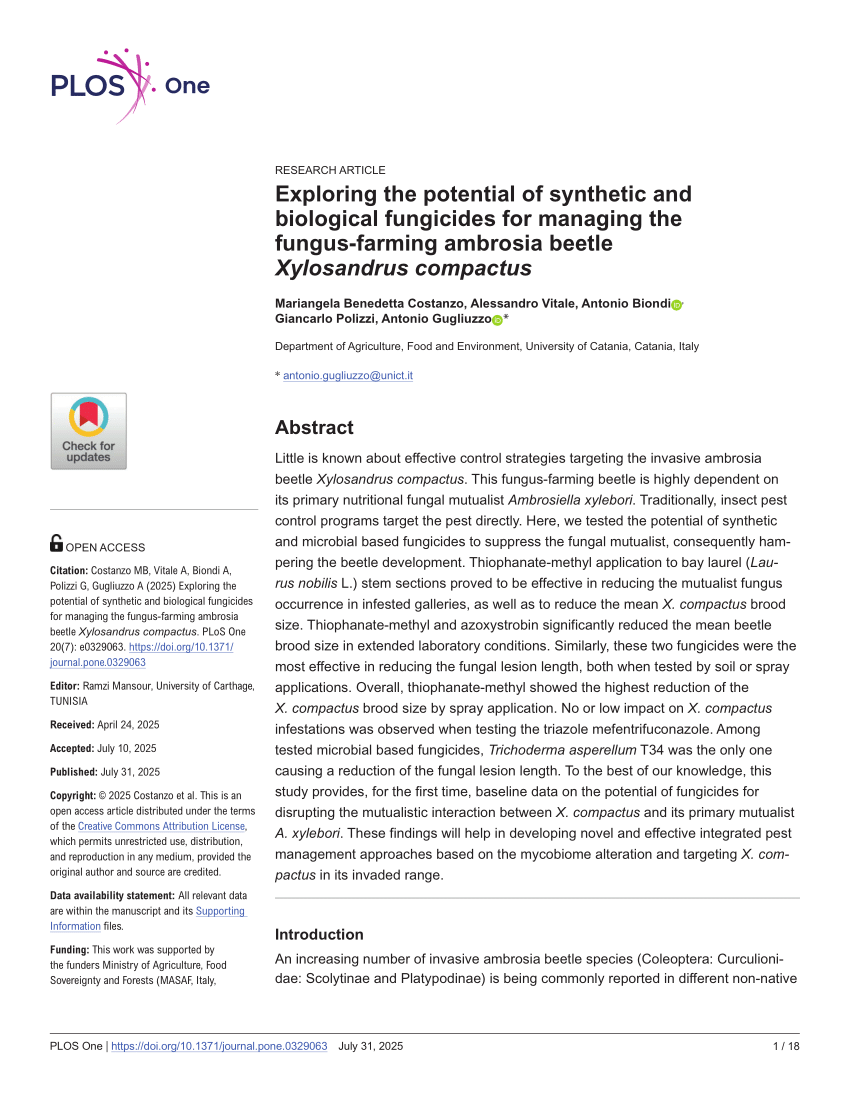
Encouraged by these results, in 2025 Costanzo et al. published a study expanding the research, including tests with chemical fungicides alongside biological ones, and simulating conditions closer to the field. In these experiments, young laurel plants (a host plant) were treated with different fungicides before being exposed to the beetle. Synthetic fungicides (such as thiophanate-methyl and azoxystrobin ) showed the greatest reduction in the beetle population, as they effectively eliminated the cultivated fungus by infiltrating the wood and significantly reduced the number of galleries containing brood.
However, among the biological options, Trichoderma asperellum T34 stood out once again: it was the only one that significantly reduced the mutualistic fungus in the treated plants. Specifically, applying T34 to the rhizosphere of infected laurel trees halved the length of fungal lesions within the wood (29.47 mm with T34 vs. 60.65 mm in control plants). This “lesion” is essentially the dark patch of dead tissue caused by Ambrosiella as it spreads; its smaller size indicates that the fungus was much less active in the plants treated with T34.
The other two products evaluated, based on two strains of Trichoderma and one Bacillus , showed a tendency to reduce lesion length (44.11 mm and 50.40 mm, respectively), although without significant differences compared to the control. According to the study authors, root colonization by T. asperellum T34 may have induced systemic resistance in the plant, modifying the mutualistic interaction between the beetle and the fungus. This study expands the knowledge on the use of biofungicides to disrupt the interaction between X. compactus and its main mutualist, A. xylebori .
Why did T34 work particularly well? Researchers propose two complementary mechanisms. First, T. asperellum T34 competes directly with A. xylebori : it grows faster, occupies more space in the root gallery, and can secrete enzymes or compounds that inhibit the other fungus. Second, T34 stimulates the host plant’s natural defenses . Evidence of this was that applying T34 to the roots of bay laurel induced a systemic response in the tree, making it less susceptible to fungal colonization in its vascular system. In other words, the tree “defends itself better” when its roots are colonized by T34, a phenomenon known as induced systemic resistance . This dual effect makes T34 a very valuable ally.
A promising strategy for controlling the plague
Taken together, these studies demonstrate an innovative concept: controlling an insect pest by targeting its essential microbiota . This integrated pest management strategy opens a more selective and ecological approach: biocontrol through alteration of the insect’s mycobiome .
Disrupting the ambrosia mutualism represents an interesting paradigm shift in forest and agricultural protection. Instead of applying broad-spectrum fungicides or insecticides (which can harm biodiversity), a beneficial organism is introduced that naturally neutralizes the pest.
In conclusion, the use of Trichoderma asperellum T34 against Xylosandrus compactus is a promising and environmentally friendly biotechnological strategy. The studies by Gugliuzzo et al. (2022) and Costanzo et al. (2025) provide strong proof of concept that targeting the fungus-insect symbiosis is effective, offering a glimmer of hope in the fight against this devastating invasive beetle. With biofungicides like the T34 fungus on our side, it is possible to protect forests and crops by leveraging natural rivalries between microorganisms rather than relying so heavily on chemicals . A tiny green spore of Trichoderma could be the key to controlling this minuscule but destructive ambrosia beetle.