















RootDei Biocontrol®

RootDei Biocontrol® is a biological fungicide for certified control of Rhizoctonia solani in potato cultivation. Officially approved, field-tested, and trusted by agronomists across Europe.

Approved in Germany 

BVL 00A933-00

Active ingredient:
Trichoderma asperellum strain T34
Target:
Rhizoctonia solani
Registered in:
DE, NL, FR, AT, BL
Regulatory Context
0 %
The previously authorized active substances were withdrawn from the market in accordance with Regulation (EC) No 1107/2009.
 

Active substance reduction & market pressure over growers

The most widely used active substances for Rhizoctonia solani control in potato cultivation are currently under European Commission scrutiny for per- and polyfluoroalkyl substances (PFAS) as degradation products, and their long-term effects on soil and water quality. 

Being prepared means having alternatives that match their efficacy on controlling disease. And if those alternatives also deliver better marketable yield and improve soil health season after season — here is how modern biotechnology makes it possible, backed by scientific evidence and field data.

More about PFAs and the future of plant protection

BVL approved
No. 00A933-00
Listed in the FiBL input list for organic production in Germany
Ecocert logo

Product Controlled

by ECOCERT SAS

FRAC Group BM02
No risk of resistance

ROOTED IN SCIENCE

More then 20 years of research in biological control agents for plant protection

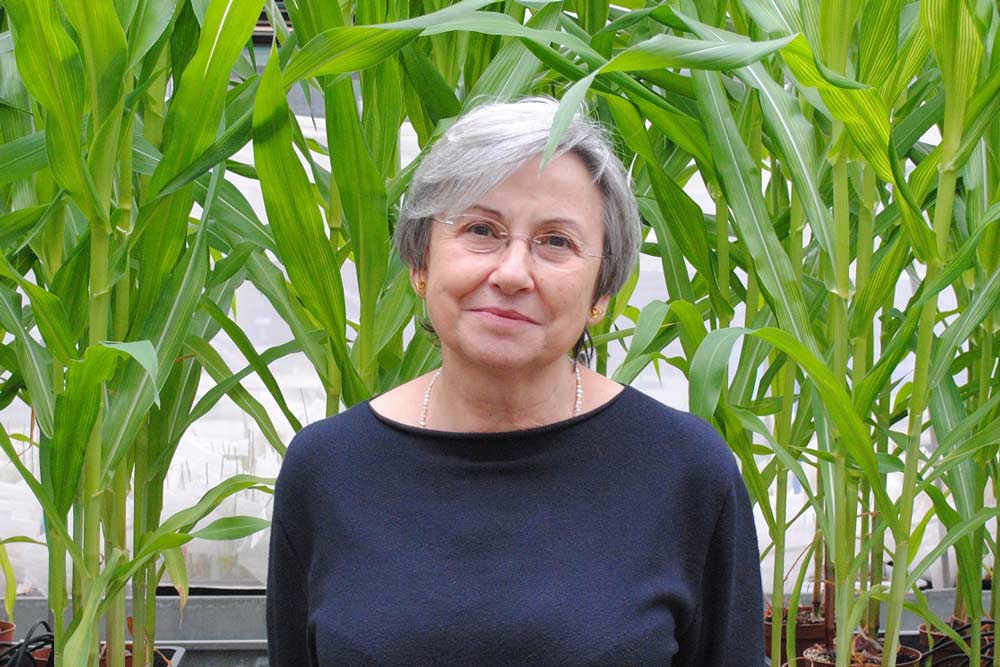
More than 25 years ago, Emeritus Professor Dr. María Isabel Trillas at the Universitat de Barcelona identified an exceptional strain of Trichoderma asperellum: highly effective, adaptable to different crops and conditions, active against multiple soil-borne pathogens, and capable of working through different application strategies. That strain, now patented and registered as T. asperellum strain T34, became the scientific foundation of Biocontrol Technologies.

What began as scientific research soon proved to have a much broader value. T34 was not a microorganism to remain confined to the laboratory: over years of trials, crops and field conditions, it continued to demonstrate its potential as a practical biological tool for modern crop protection.

Today, the Chair of Microorganisms in Agriculture — a joint initiative of Biocontrol Technologies and the University of Barcelona  maintains this commitment to applied research.

ROOTED IN SCIENCE

RootDei Biocontrol®

RootDei Biocontrol® is the result of that journey applied to potato production: a specific formulation and use strategy designed for potato growers, focused on Rhizoctonia solani control and developed to integrate easily into standard planting systems — without changing machinery or adding complexity to the grower’s routine.

It brings together what growers need today: reliable disease control, compatibility with sustainable production, support for soil and root health, and a practical way to protect yield and quality in a changing regulatory context.

Easy Integration
DISEASE CONTROL
marketable yield
RootDei Biocontrol®

Trichoderma asperellum strain T34

Application Dose

250 g/ha

Package Size

1 Kg

Concentration

1012 CFU/Kg

Concentration

WP wettable powder

Active Ingredient Content

12% p/p

Storage Stability 4ºC

+ 24 Month

Storage Stability 20ºC

15 month

FRAC group

bm02

MRL (Maximum Residue Level)

No MRLs

TECHNICAL SPECIFICATIONS

A highly concentrated formulation with one powerfull strain

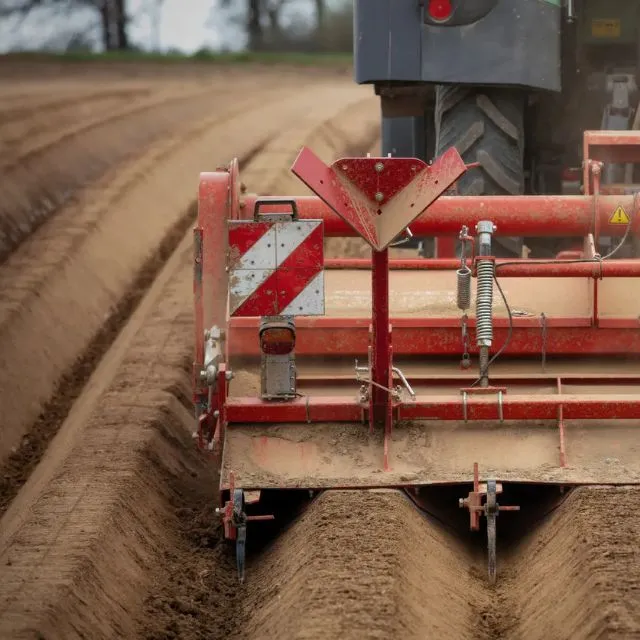
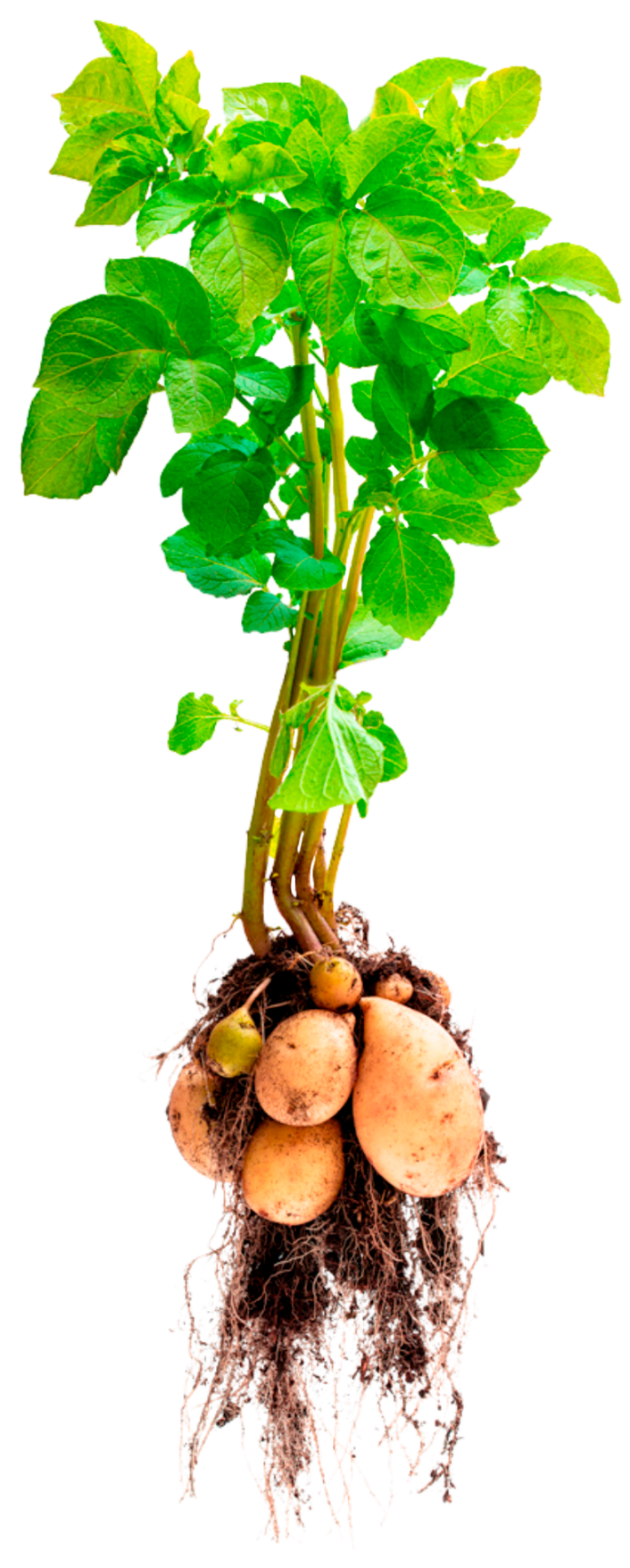
RootDei Biocontrol® is applied once to the planting furrow during sowing . The product integrates seamlessly into standard planting processes—without additional steps or machine changes. Colonization of the rhizosphere by T. asperellum T34 protects the plant during the critical phase of tuber development.

Active Substance Approbal

Regulation (EU) Nº 1238/2012

EPPO Zone

EU Central (Maritime + Continental)

Download the RootDei Biocontrol Data Sheet

APPLICATION METHODS

Easy integration into existing cultivation processes

RootDei Biocontrol® is designed to integrate naturally into standard potato farming practices. The primary application method requires no additional machinery or steps.

 
Main application · Approved in Germany

In-furrow application

A single application at sowing – directly into the planting line, at the same time as planting the tubers.

No additional treatments are required during the entire harvest cycle. Protects roots and stolons from the very beginning of tuber development.

BVL approved
No. 00A933-00

1 single In-furrow application with 250g/ha ·

Compatible with standard planting machines

Technical details regarding furrow application

Alternative application ·
In Process of Registration

Roller Table

Apply evenly to the tuber surface before planting. A proven method with excellent results in field trials.

Note on alternative application methods:

Roller table and irrigation application methods go beyond the scope of the officially approved label in Germany (BVL 00A933-00). Application is the sole responsibility of the user. Please observe the valid authorization and national plant protection regulations. Alternative application methods have been tested and are currently undergoing the approval process.

MODE OF ACTION

Multiple Mechanisms of Action.

One systemic protective effect.

Trichoderma asperellum strain T34 works through a network of mechanisms that not only combat pathogens but also promote plant health. The FRAC classifies T34 under group BM02 — a multi-mode microbial control product that prevents the development of resistance.

FRAC BM02

Trichoderma asperellum strain T34 is classified under FRAC group BM02 — microbial agents with multiple simultaneous modes of action.

Resistance development in Rhizoctonia solani or among other diseases would require simultaneous mutations against all — evolutionarily near-impossible. Efficacy remains stable across multiple growing seasons.

Effect on the pathogen

Direct Mycoparasitism

T34 recognizes the hyphae of pathogenic fungi, attaches to them, and breaks them down using lytic enzymes. Effective against Rhizoctonia solani , Botrytis spp., and others.

Parasitation of Sclerotia

T34 recognizes the hyphae of pathogenic fungi, attaches to them, and breaks them down using lytic enzymes. Effective against Rhizoctonia solani , Sclerotinia spp.,…

Competition for Space and Nutrients

T34 recognizes the hyphae of pathogenic fungi, attaches to them, and breaks them down using lytic enzymes. Effective against Rhizoctonia solani , Botrytis spp., and others.

Production of Biostatic Metabolites

T34 recognizes the hyphae of pathogenic fungi, attaches to them, and breaks them down using lytic enzymes. Effective against Rhizoctonia solani , Botrytis spp., and others.
Possitive effect on the plant

Induced Systemic Resistance (ISR)

T34 recognizes the hyphae of pathogenic fungi, attaches to them, and breaks them down using lytic enzymes. Effective against Rhizoctonia solani , Botrytis spp., and others.

Stimulation of Root Development

T34 recognizes the hyphae of pathogenic fungi, attaches to them, and breaks them down using lytic enzymes. Effective against Rhizoctonia solani , Botrytis spp., and others.

Improved Nutrient Assimilation

Strengthens the root system and releases beneficial compounds in the rhizosphere, leading to better nutrient utilization and higher efficiency of the resources used.

Improved Nutrient Assimilation

Promotes rapid and even germination as well as vigorous plant growth — particularly relevant under stressful conditions due to climatic fluctuations at planting time.
Spectrum of activity

Approved for Rhizoctonia solani

Broader protection potential under development

Trichoderma asperellum strain T34 works through a network of mechanisms that not only combat pathogens but also promote plant health. The FRAC classifies T34 under group BM02 — a multi-mode microbial control product that prevents the development of resistance.

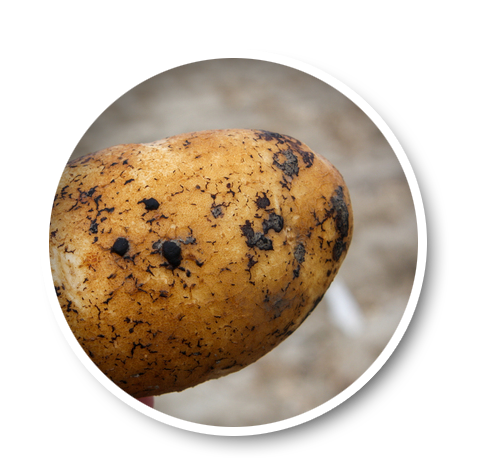
Stem Canker and Black Scurf

Rhizoctonia solani
BVL approved · No. 00A933-00

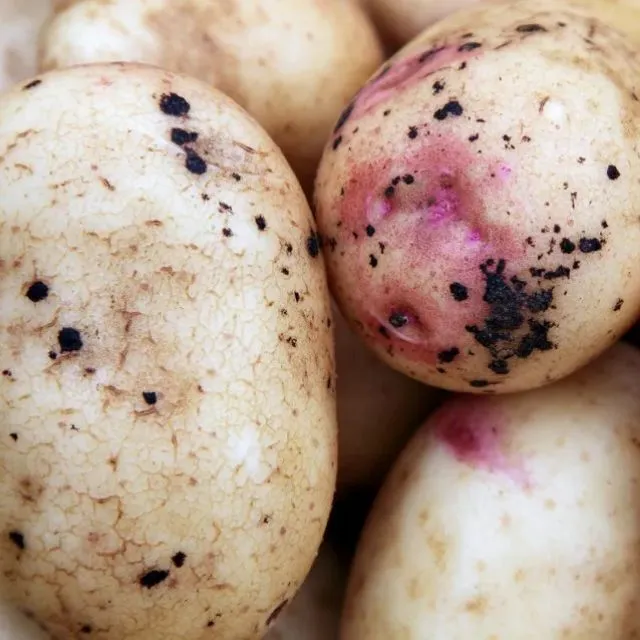
Black scab and stem canker in potatoes — the most important soil-borne disease in potato cultivation in temperate climates. 

Economic impacts are both quantitative (yield loss) and qualitative (tuber quality, marketability).

0 %
Average disease incidence in untreated plots in the official GEP trials.
0 %
Average disease reduction with RootDei Biocontrol® 250 g/ha — statistically comparable to standard chemical treatment
Field trials in Europe

Active trials in Germany and across Europe

GEP Trials conducted by accredited independent institutions

The efficacy and safety of RootDei Biocontrol® has been confirmed in official trials according to Good Experimental Practice (GEP) — ​​the strictest standard for the approval of plant protection products in the EU.

 
Disease reduction at 250 g/ha
0 %
GEP trials
0
Non-marketable tubers*
- 0 %
Disease control · 14 GEP trials
Disease incidence (untreated)
Ø 35.2%
Reduction of chemical treatment
Ø 65.1%
Reduction of RootDei 250 g/ha
Average 40.6%
Statistical significance:
No significant difference compared to chemical treatment (p < 0.05)
Yield increase — 8 GEP trials
Disease incidence (untreated)
Ø 35.2%
Reduction of chemical treatment
Ø 65.1%
Reduction of RootDei 250 g/ha
Average 40.6%
Statistical significance:
No significant difference compared to chemical treatment (p < 0.05)