T34 Biocontrol® · Application Methods

T34 Biocontrol® Application Methods

This page summarizes the authorized application methods, reference dosages, and compatibility conditions, so growers and technicians can plan treatment before entering the field.

FRAC Classification BM02 · low resistance risk
Pre-harvest interval 0 days
Maximum residue limits No MRL required


Application Versatility

One Product, Multiple Application Pathways: Seedling Trays, Soil, and Foliar

The versatility of T34 Biocontrol® is not just a matter of formulation, but also of where the microorganism can establish itself and act. Trichoderma asperellum strain T34 colonizes both the rhizosphere and the leaf surface, and this ability opens up three application areas that cover the entire crop cycle: the seedling tray, the soil, and the aerial part of the plant.

In the seedling tray, the product is incorporated into the substrate during preparation or sprayed onto the tray. The plant develops in an already-colonized medium and reaches transplant with the rhizosphere occupied and protected.

In the soil, the application accompanies the crop from planting through the end of the cycle. Root dipping allows for a targeted treatment at the time of transplant, using very small product volumes. Irrigation then delivers T34 Biocontrol® through the system the operation already uses, in both soil-based and hydroponic/soilless systems, maintaining adequate population levels whenever the crop requires it.

In foliar application, the product is diluted and sprayed onto the aerial part of the crop. Here the criterion is not a fixed schedule but timing relative to disease pressure: early application — at the onset of favorable environmental conditions or during the early stages of pathogen development — is what allows the leaf surface to be occupied before pathogen pressure increases. Authorization depends on the national registration in effect in each country.

None of the three application areas requires specialized equipment or an added task on the work calendar: all of them rely on operations the farm already performs regularly, from filling trays to irrigation and routine foliar treatments. This is the practical reason a single product fits contexts as different as a professional nursery, a hydroponic greenhouse, or an open-field planting.

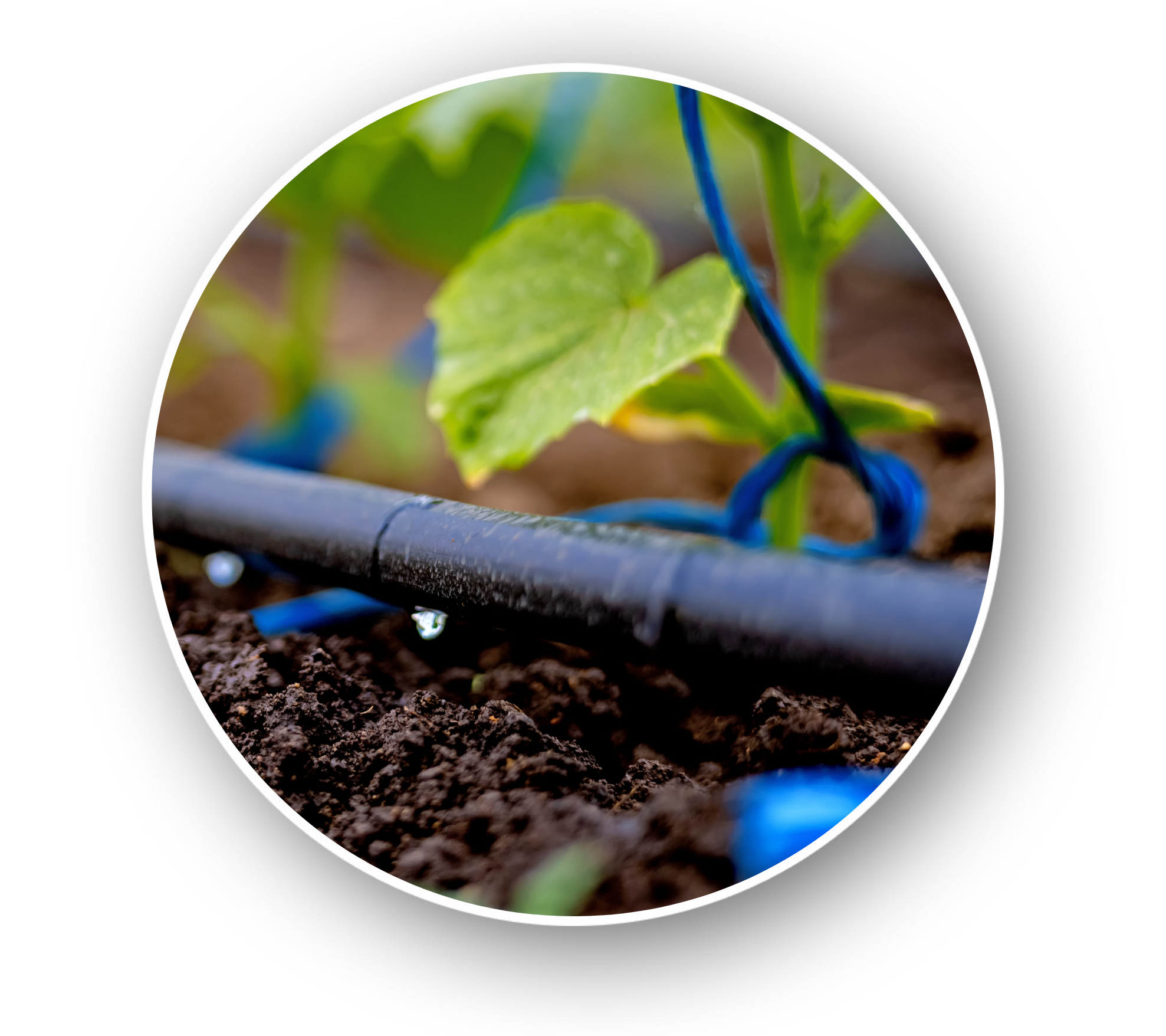
Irrigation system in a protected crop

Dosage and Application Method

UseDosageApplication TimingApplication Method
Substrate


10 g/m³

During preparation of the growing substrate.Pre-dilute the product in water and mix thoroughly with the substrate.

Spraying on seedling trays


0,5 g/m²


≈ 500 g/1.000 m²

Before sowing or rooting, or immediately afterward.Dilute in the required amount of water and spray onto the tray.
Root dip


1 g/L of water


Brief dip, a few seconds

Before planting.Prepare the solution at 1 g of product per liter of water and dip the roots.


0,01 g/L of water


Extended dip, overnight

Prepare the solution at 0.01 g of product per liter of water and keep the roots submerged overnight.
Irrigation


250–500 g/ha


250 g/ha in lettuce for control of Sclerotinia spp.


In hydroponic crops: 0.01 g/L of substrate

After transplanting. Repeat the treatment after 2–3 months. Pre-dilute the product in a container with water and pour the dilution into the irrigation tank.
Foliar Application


250–500 g/ha

When environmental temperature and humidity conditions favor disease development, or at the first signs of disease.Pre-dilute the product in water and spray onto the aerial part of the plant, ensuring uniform coverage of the leaf surface.

Substrate

Dosage
10 g/m³
Timing
During preparation of the growing substrate.
Method
Pre-dilute the product in water and mix thoroughly with the substrate.

Spraying on seedling trays

Dosage
0,5 g/m²


≈ 500 g/1.000 m²

Moment
Before sowing or rooting, or immediately afterward.
Method
Dilute in the required amount of water and spray onto the tray.

Root dip

Dosage
1 g/L of water


Brief dip, a few seconds

0,01 g/L of water


Extended dip, overnight

Moment
Before sowing or rooting, or immediately afterward
.
Method
Dilute in the required amount of water and spray onto the tray.

Irrigation

Dosage
250–500 g/ha


250 g/ha in lettuce for control of Sclerotinia spp.


In hydroponic crops: 0.01 g/L of substrate

Moment
Before sowing or rooting, or immediately afterward
.
Method
Dilute in the required amount of water and spray onto the tray.

Foliar Application

Dosage
250–500 g/ha
Timing
When environmental temperature and humidity conditions favor disease development, or at the first signs of disease.
Method
Prediluir el producto en agua y pulverizar sobre la parte aérea, asegurando una cobertura homogénea de la superficie foliar.

The authorized crops, target diseases, dosages, and conditions of use are defined by the national registration in effect in each country. The groupings shown here represent the cumulative scope of all registrations worldwide and are provided for informational purposes only; they do not replace the approved national label. Always consult the label authorized in your territory before using the product. Registration Status by Country

Contact

Need More Information?

Leave us your details and our technical team at Biocontrol Technologies will get in touch with you.

Plantillas > Pie de página).

── CONDICIÓN DE VISUALIZACIÓN ──
Hoy la plantilla solo se muestra en las dos landings de dosier.
Debe estar en TODO EL SITIO: en Elementor > Plantillas > Pie de
página > Condiciones de visualización, poner «Todo el sitio».
Ahora mismo falta en las tres páginas legales, en Almería y en
la landing inglesa /en/t34-biocontrol-2026/, que sigue con el
pie del tema (Vela) y por tanto sin ningún enlace legal.

── QUÉ SE ARREGLA EN LA v4 ──
La v3 solo llamaba a cmplz_set_banner_status(‘show’). En páginas
donde Complianz no había inicializado el banner (Do Not Track /
Global Privacy Control activados en el navegador) eso oscurecía
la pantalla sin abrir nada. Ver el comentario del script.

── QUÉ SE ARREGLÓ EN LA v3 ──
El enlace de preferencias no funcionaba. La v2 daba por hecho
que Complianz abre el panel con cualquier elemento que lleve la
clase cmplz-show-banner. Es falso: esa clase no aparece ni una
vez en complianz.min.js, así que el no tenía nada
escuchando detrás.

Complianz solo registra un listener, y exige