
Increased productivity in organic zucchini with T34 Biocontrol®
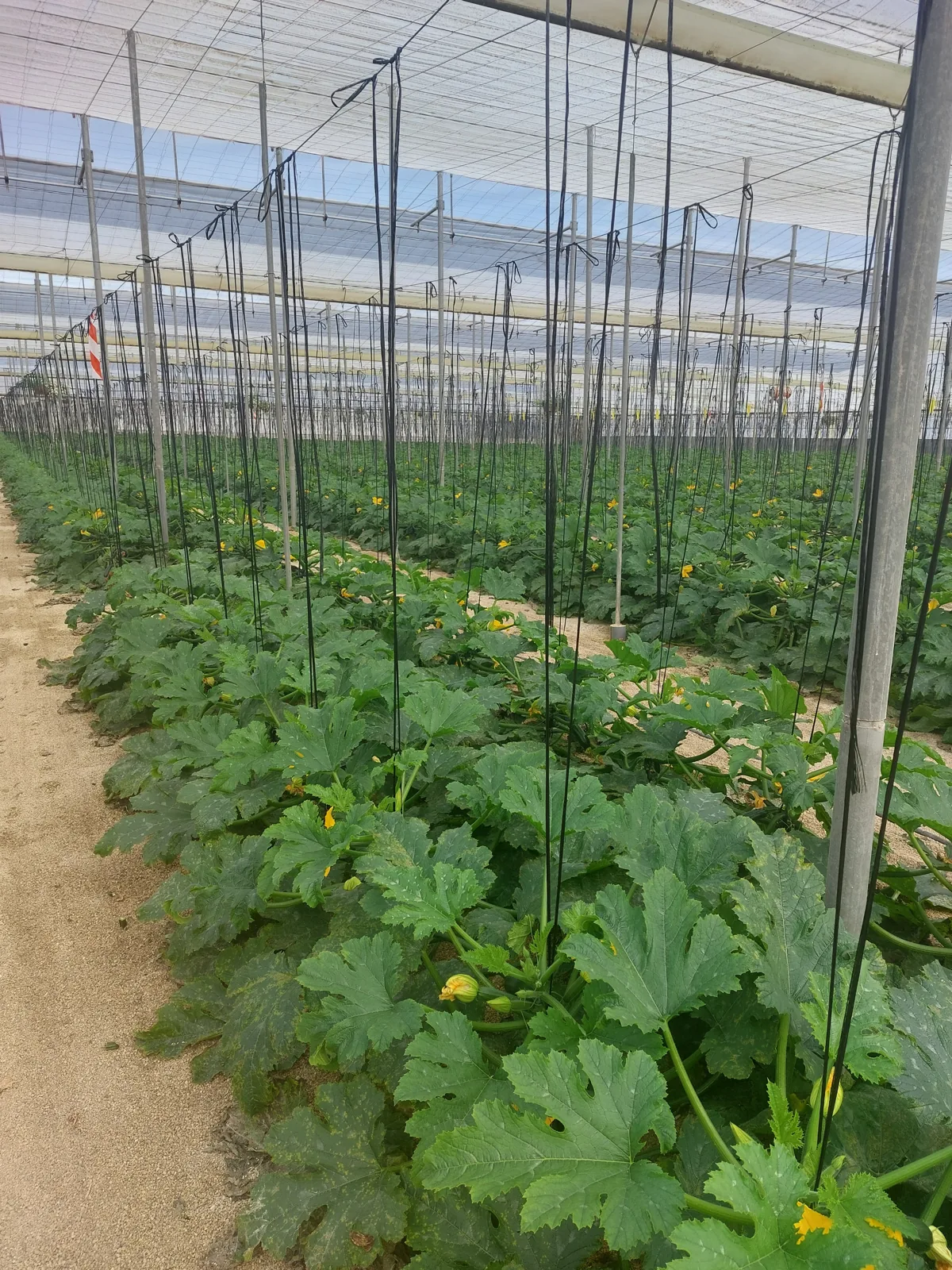
Two greenhouse units on the same farm were compared to assess the impact of T34 Biocontrol® application. Here are the results.
An entire growing season of organic zucchini for export, focusing on the 14/21 commercial grade, using the farm’s own records of plant losses, replacements and weekly harvests.
An export-oriented crop where productivity must remain aligned with market requirements.
Export productivity also depends on the commercial quality of the fruit.
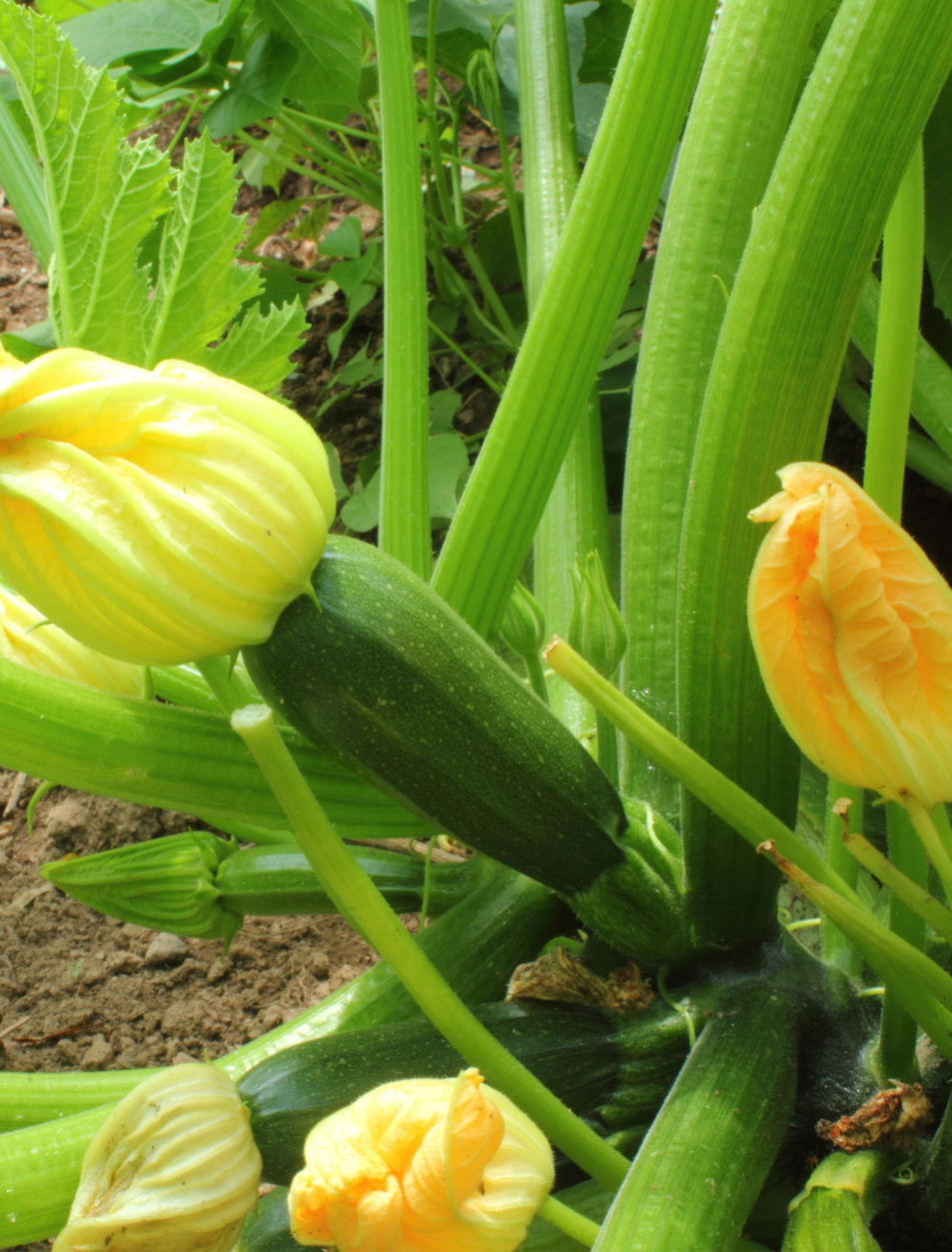
In export-oriented production, yield is not defined solely by the quantity harvested. Each fruit must meet specific commercial requirements.
This case study was conducted on a commercially producing organic zucchini crop intended for export , with fruit harvested within the 14/21 commercial grade . This specification determines the optimal harvest stage and whether the fruit meets market requirements.
The objective is therefore not simply to increase fruit size or weight, but to achieve a consistent supply of uniform, marketable zucchini that meets the specified commercial grade.
The commercial grade defines the marketable fruit length range. In this trial, grade 14/21 corresponds to fruit measuring approximately 14–21 cm in length , measured from the point of peduncle attachment to the tip of the fruit. It does not refer to fruit weight or the number of units.
A field trial conducted on an active commercial farm.
This case study was conducted on a commercial organic zucchini crop in full production , comparing two greenhouse units on the same farm under comparable agronomic and crop management conditions.
The crop, variety, planting date and standard farm management practices were kept consistent.
The only difference introduced between the two greenhouse units was the application of T34 Biocontrol® in the treated unit. This approach made it possible to assess the crop’s response under real-world commercial growing conditions rather than in an isolated experimental setting.The trial was designed to answer two questions in sequence. First, what happened during crop establishment. Then, whether the differences observed could be sustained as the plants entered the production phase.
The trial was designed to address two consecutive questions. First, how the crop performed during the establishment phase. Second, whether the differences observed during establishment could be sustained once the plants entered the production phase.
Two objectives to monitor the crop from establishment through to harvest.
The trial was structured into two phases. First, crop establishment was assessed following planting. This was followed by an assessment of crop performance throughout the production cycle.
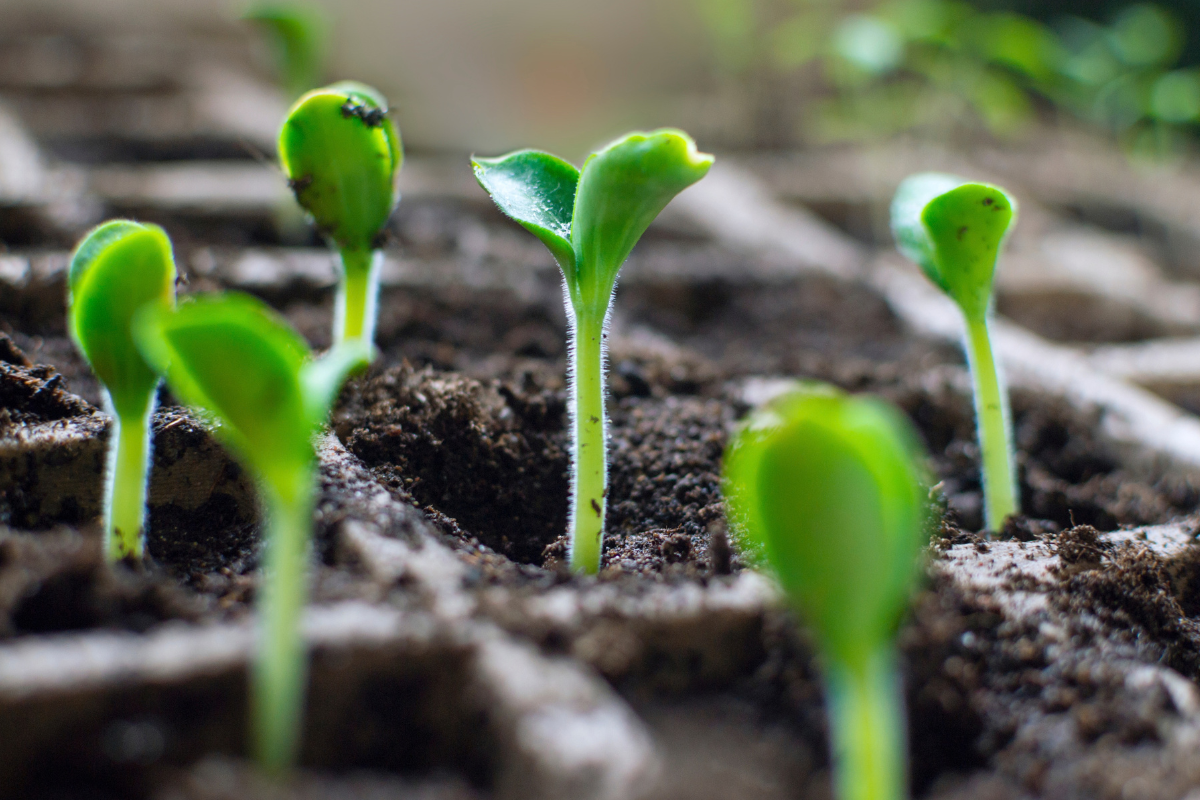
How does the crop perform during the establishment phase?
Assessment of crop establishment during the first few weeks after planting, comparing the greenhouse unit treated with T34 Biocontrol® against the untreated unit.
What happens when the crop starts producing fruit?
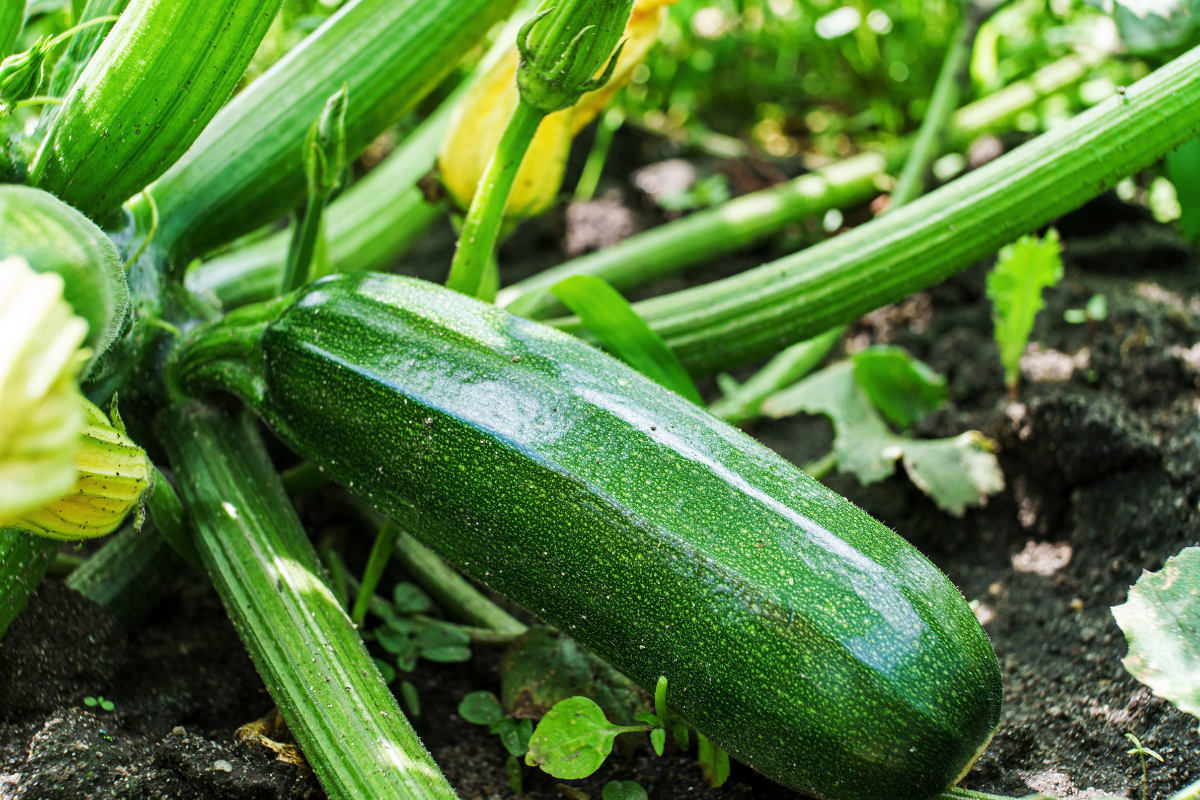
Organic courgette (zucchini) production in the 14–21 cm size grade was monitored throughout the crop cycle to compare yield trends in the two greenhouses.
Planting and crop establishment
The first few weeks after planting are critical to the crop’s yield potential. Poor establishment can affect a plant’s performance throughout the crop cycle, while each plant lost leaves a gap in production.
In organic production, where fewer crop protection options are available, maintaining a functional root system and uniform crop establishment is even more important.
The first objective was to assess whether applying T34 Biocontrol® to the root zone after planting could influence this early stage of crop development.
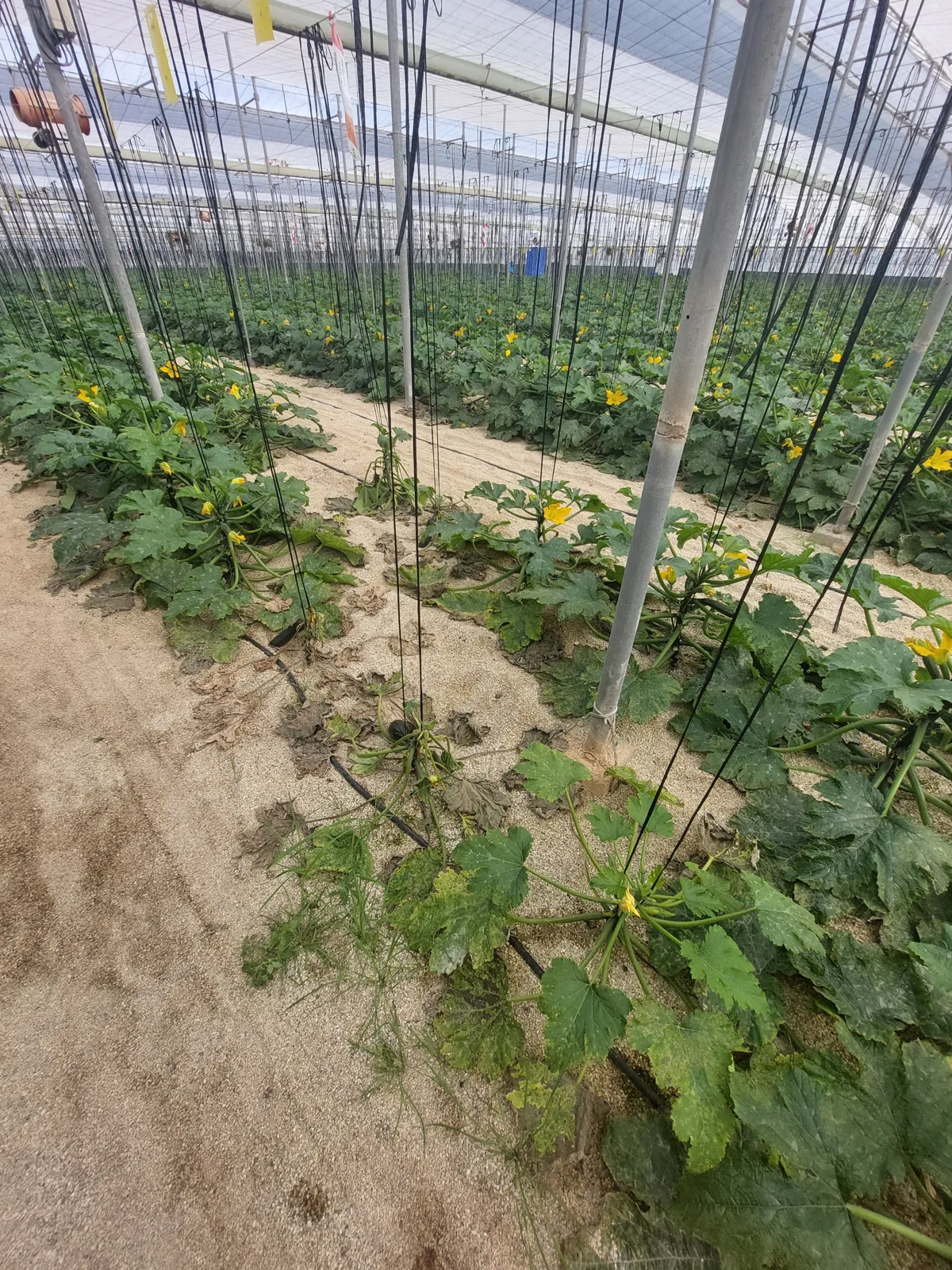
Two greenhouses, two different responses during crop establishment.
Crop condition during early establishment and plant replacement recorded 15 days after planting.
Yield trends and marketable yield
After assessing early crop establishment, the second objective was to determine whether the differences observed during establishment could be sustained throughout the production phase. A well-established plant should be able to reach harvest and translate its initial advantage into marketable yield. For a crop intended for export, production is not measured solely in kilograms. Fruit must meet specific market requirements, so monitoring focused on the weekly yield of marketable fruit in the 14–21 cm size grade. Yield trends in the untreated greenhouse and the greenhouse treated with T34 Biocontrol® were compared over 22 weeks, recording marketable yield throughout the crop cycle. The aim was to determine whether better initial crop condition could be sustained into the production phase and deliver a practical benefit for the grower:
plants that reach harvest and produce marketable fruit throughout the production period.multiple weeks
yield difference.
Arithmetic mean of the weekly percentage differences. The first and last weeks can inflate this figure because production in the untreated greenhouse is very low during those periods.
Hover over a week to view its data.
Click to keep it selected.
Click and drag to select
several consecutive weeks.
The two greenhouses started under different conditions
Comparing yield between greenhouses requires using kilograms per square metre rather than total kilograms. Even then, two differences unrelated to the treatment remain: the treated greenhouse is smaller, and part of it receives less light. Both put it at a disadvantage, so we present them separately to make their influence explicit.
The treated greenhouse covers 20,251 m², while the untreated greenhouse covers 22,382 m². All comparisons therefore use kilograms per square metre rather than total kilograms harvested.
A strip of the treated greenhouse is shaded by the adjacent structure and yields less than the rest. This area covers approximately 2,000 m², or around 10% of the greenhouse.
| Calculation | Formula | Result |
|---|---|---|
| Untreated greenhouse | 153,623 kg ÷ 22,382 m² | 6.86 kg/m² |
| Treated greenhouse | 169,609 kg ÷ 20,251 m² · Total area | 8.37 kg/m² · +22% |
| Treated greenhouse, adjusted | 169,609 kg ÷ 18,251 m² · Excluding the shaded area | 9.29 kg/m² · +35% |
| What each percentage on this page means | How it is calculated | Value |
|---|---|---|
| Yield difference | Kilograms per square metre of total area: 8.37 versus 6.86 | +22 % |
| Yield difference after excluding the shaded area | Kilograms per square metre of productive area: 9.29 versus 6.86. This is the basis used for the weekly charts. | +35 % |
| Average weekly percentage yield increase | Average of the weekly percentage differences. The opening and closing weeks inflate this figure because the untreated greenhouse produces very little during those periods. | +59,8 % |
The key figure supporting this case study is +22%. This is the unadjusted figure: kilograms harvested divided by the total greenhouse area. The +35% figure indicates how the comparison might shift if both greenhouses had received the same amount of light. It is presented separately because the shaded area is an estimate provided by the farm, rather than a measured area. The average weekly percentage difference is not an increase in total yield and should not be interpreted as such.
The difference was sustained throughout the crop cycle.
The treated greenhouse started producing earlier and maintained a higher weekly yield throughout almost the entire crop cycle, including the weeks with the most adverse conditions.
At the end of the cycle, harvesting continued in the treated greenhouse after the untreated greenhouse had stopped producing.
Over the twenty weeks, cumulative yield in the marketable size grade was 22% higher.
The 22% figure is presented without adjusting for two disadvantages of the treated greenhouse: it has 9.5% less growing area, and part of it is affected by structural shading.
After adjusting for this effect, the difference rises to 35%.
Index relative to the cumulative yield of the untreated greenhouse. The adjustment accounts for differences in growing area and structural shading.
Cost or investment?
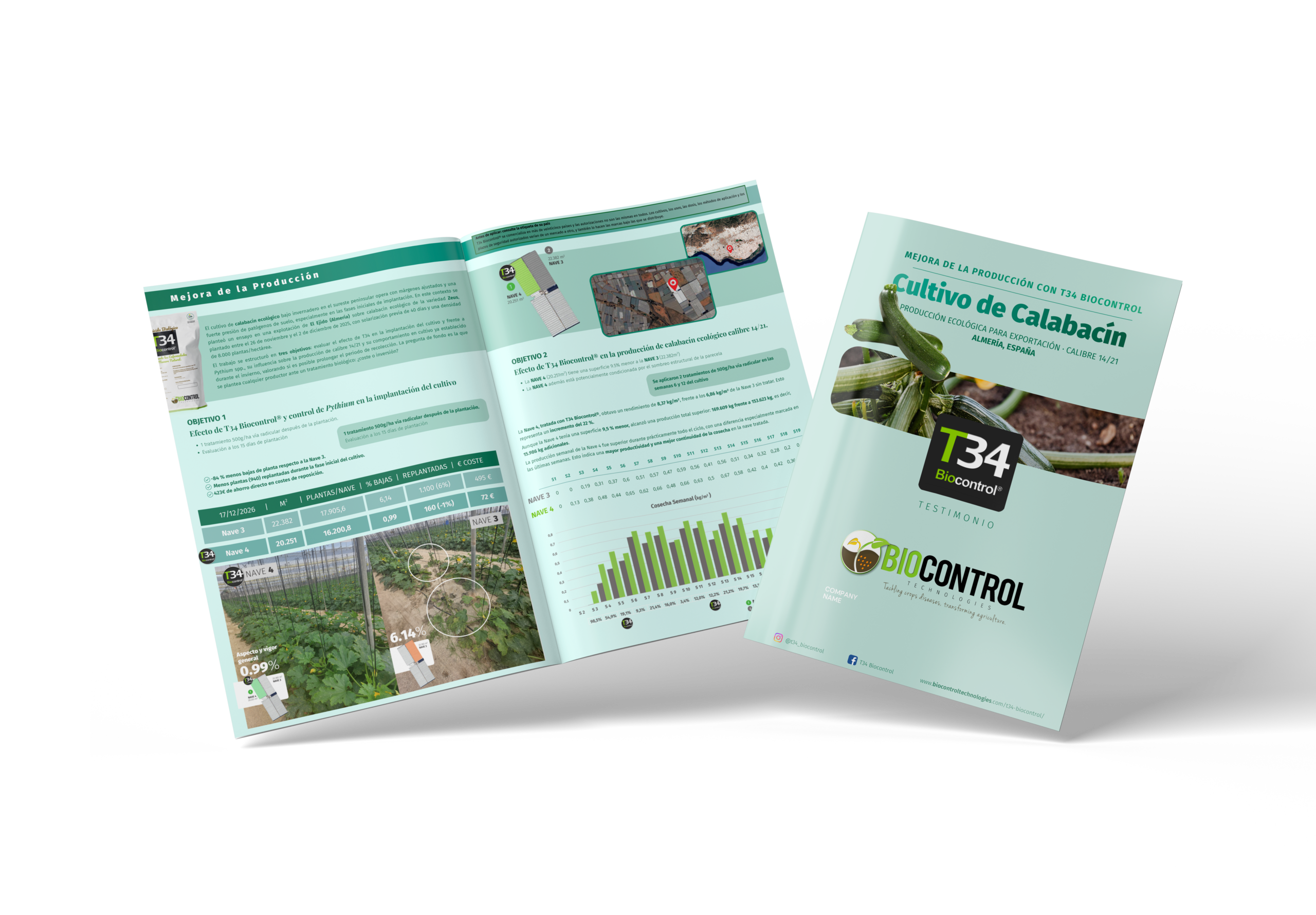
The trial began with an economic question. After just one application, savings on plant replacement already exceeded the treatment cost. With the second application, the difference was reflected in weekly harvests.Higher cumulative production of 14/21-grade zucchini.
The full trial, including methodology and records
Receive the document by email. Includes additional details beyond those presented on this page.
- Trial design and application schedule
- Weekly harvest records for the 14–21 cm size grade
- Comparison of plant replacement and treatment costs

Biocontrol Technologies, S.L. · NIF B63545446
Av. Madrid, 217 — 08014 Barcelona